

Many drug actives are bitter, some intensely so. A common reaction is to add a flavor to the formulation in an attempt to mask its bitterness – orange, grape, mint. This approach, however is never successful owing to differences in human anatomy and physiology.
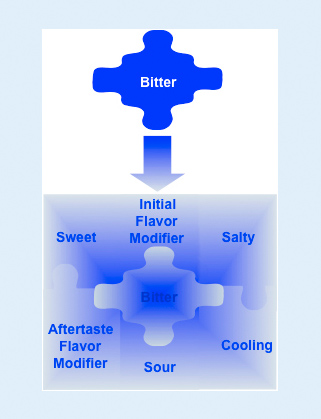
Bitter – along with sweet, sour, and salty – are perceived by taste buds on the tongue. Orange, grape, mint and all other flavors are comprised of aroma chemicals that are perceived via the sense of smell. Just like the sense of sight has no impact on hearing, flavors (smell) cannot mask bitterness (taste).
The only way to reduce bitterness is by balancing with the complementary tastes – sweet, sour and salty – via the mechanism of taste/taste interaction, the foundational principle of taste masking.
Once the bitterness has been reduced, identifying flavors such as orange, grape or mint can be selected based on compatibility with the drug active and excipients, patient demographics, as well as dosing frequency and other quality of life factors.
This is the art and science of taste masking – a field that Senopsys continues to pioneer.
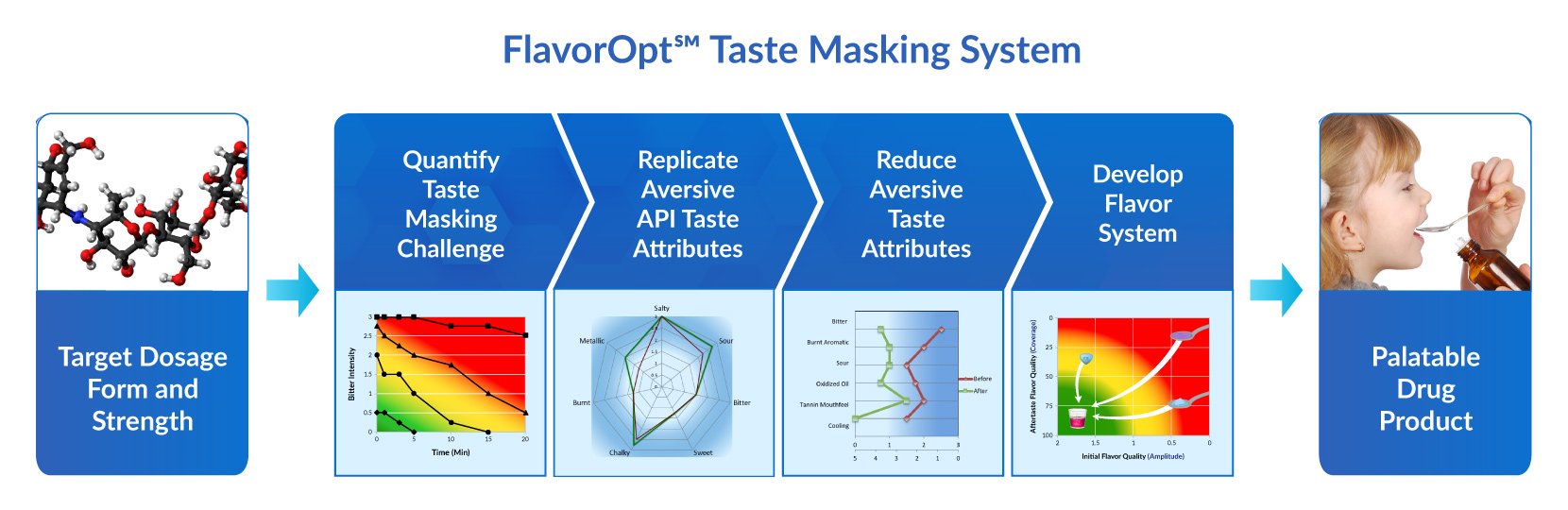
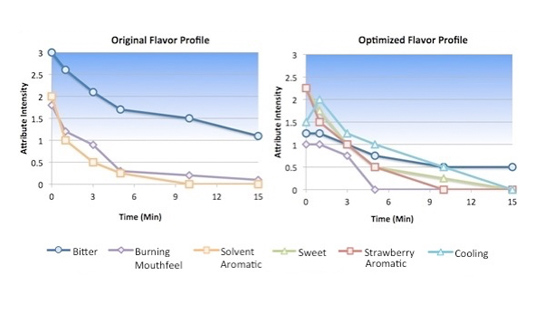
Oral spray dosing technology is capable of delivering a broad range of APIs to the systemic circulation through the highly perfused lining of the oral cavity. Senopsys followed a sensory-directed process to develop a palatable oral spray containing an extremely bitter drug in combination with a solvent system that produced trigeminal irritation.
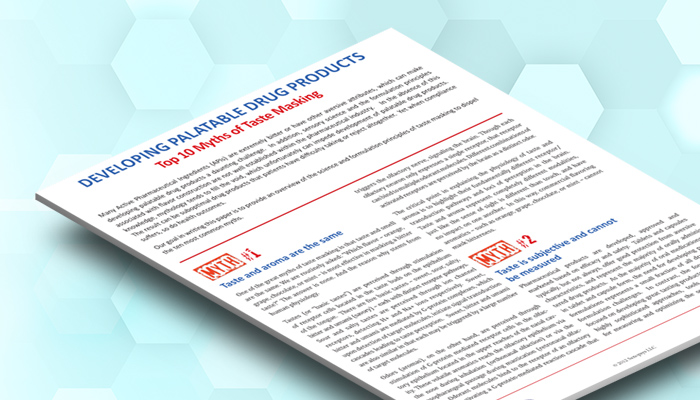
How good is your knowledge of taste masking? Learn the truths behind the science and what it means for your development program.
Senopsys is the taste-masking development partner of choice for 15 of the top 25 global pharma companies as well as dozens of emerging and mid-size pharma and biotech companies.
Ask us questions, inquire about our services or schedule a “lunch and learn” seminar about the art and science of taste masking.